The world of voiceover acting has grown tremendously in recent years, and with advancements in technology, many aspiring voice actors are discovering that they can launch a successful career from the comfort of their own home. Whether you have a passion for bringing characters to life, narrating audiobooks, or voicing commercials, getting started in voiceover acting has never been more accessible.
Article Sponsor: Line Striping Jacksonville
However, setting up a home studio, building your skills, and finding work requires dedication and the right approach.

Setting Up a Home Studio
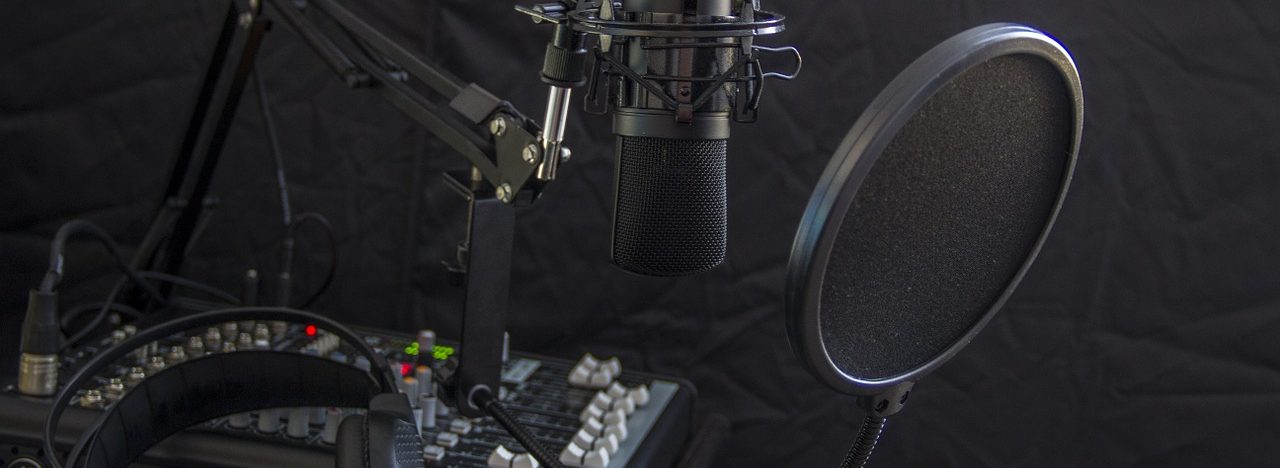
A home studio is essential for anyone serious about pursuing voiceover work. Unlike traditional acting, where your performance is captured on camera, voiceover relies entirely on sound quality. This means investing in the right equipment can make or break your recordings. A high-quality microphone is the most critical piece of equipment, with options like the Rode NT1, Audio-Technica AT2020, or Shure SM7B being popular among beginners and professionals alike.
In addition to a microphone, a good audio interface, such as the Focusrite Scarlett 2i2, helps ensure clean recordings with minimal background noise. Headphones are equally important, as they allow you to hear every detail of your performance and identify issues that need to be corrected. Soundproofing your recording space is another key factor. Blankets, foam panels, or a small recording booth can help eliminate echo and unwanted noise, ensuring a more professional sound.
Developing Your Voice and Performance Skills
While having the right equipment is crucial, the success of a voice actor ultimately depends on their vocal ability and performance skills. Many voice actors start by practicing different tones, pitches, and styles to discover their unique vocal range. Reading aloud, mimicking different voices, and experimenting with various emotions can help build confidence and versatility.
Taking voiceover classes or working with a coach can accelerate your growth by providing feedback and teaching industry techniques. Learning proper breathing techniques and vocal warm-ups can also enhance your ability to sustain long recording sessions without straining your voice. Additionally, mastering script interpretation and understanding the nuances of pacing, inflection, and emphasis will help deliver compelling performances.

Finding Voiceover Work and Building a Portfolio
Breaking into the voiceover industry requires persistence and a strong portfolio. A well-crafted demo reel showcasing your best work is a must. It should include samples of different styles, such as commercial reads, character voices, or audiobook narrations, depending on the type of work you want to pursue.
Freelance websites like Fiverr, Upwork, and Voices.com provide a platform for beginners to find gigs and gain experience. Many successful voice actors also create their own websites to showcase their demos, highlight previous work, and attract potential clients. Social media and networking with industry professionals can further increase visibility and job opportunities.
Navigating the Business Side of Voice Acting
Voiceover acting is not just about performing—it’s also a business. Understanding how to market yourself, negotiate rates, and manage contracts is crucial for long-term success. Many voice actors operate as freelancers, meaning they must handle client communications, invoices, and project deadlines.
Setting competitive yet fair rates is another challenge. Beginners may start with lower prices to build their reputation, but as experience grows, adjusting rates to reflect skill and market value is necessary. Resources like the Global Voice Acting Academy rate guide can provide insight into industry-standard pricing.
Overcoming Challenges and Staying Motivated
Like any career, voiceover acting comes with its challenges. Rejection is common, especially in the early stages. Not every audition will lead to a job, but persistence is key. Many successful voice actors faced years of rejection before landing consistent work.
Staying motivated requires setting realistic goals and continuously improving. Investing in ongoing training, upgrading equipment when necessary, and staying informed about industry trends can help maintain growth. Joining voiceover communities, such as online forums or local networking groups, provides valuable support and learning opportunities.
Starting a career in voiceover acting from home is an exciting journey that requires both creativity and discipline. With the right equipment, continuous skill development, and a strong work ethic, aspiring voice actors can carve out a successful career in this dynamic field. Whether you’re dreaming of voicing animated characters, narrating audiobooks, or recording commercials, the opportunities are vast for those willing to put in the effort.
Thank you for visiting our site. We hope you are finding some good information. If you have any comments or questions we ask that you contact us today. We also ask that you visit our sponsor Jacksonville Line Striping.